How to Bake a Soft and Fluffy Cake: Simple Tips for Perfect Results Every Time
A homemade cake has a special charm that store-bought desserts rarely match. From the comforting aroma that fills the kitchen to the satisfaction of slicing into a light, airy sponge, baking your own cake is a rewarding experience. Yet many home bakers struggle with cakes that turn out dry, heavy, or flat.
The good news is that baking a soft and fluffy cake doesn’t require professional skills. It comes down to understanding a few essential techniques and paying attention to small details. This guide will walk you through everything you need to know to achieve a moist, tender cake with a delicate crumb.
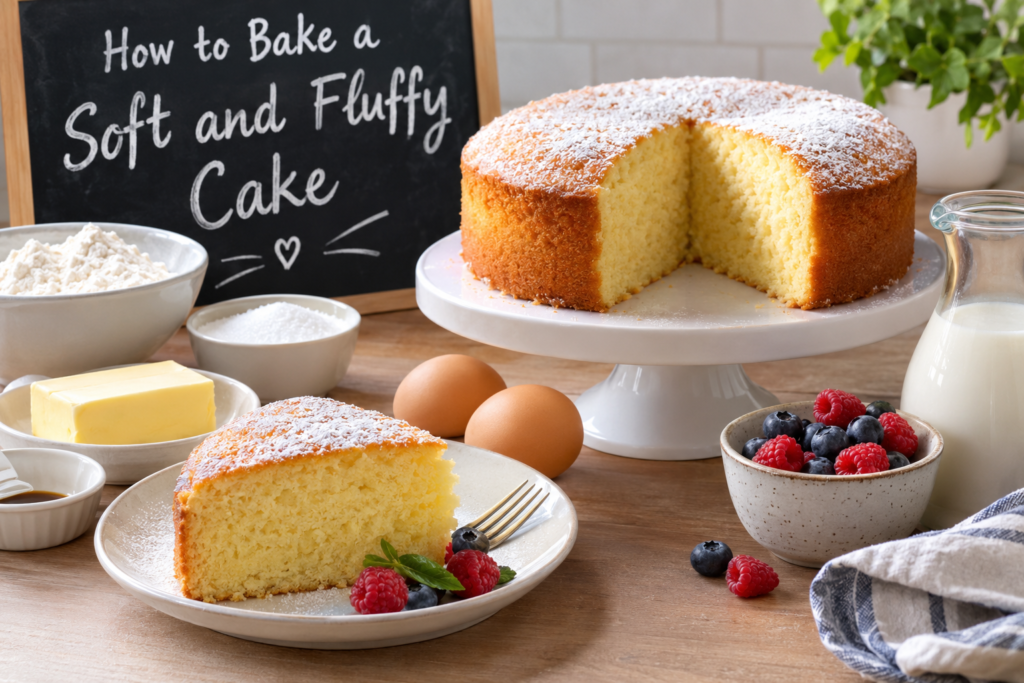
How to Bake a Soft and Fluffy Cake Start with High-Quality Ingredients
How to Bake a Soft and Fluffy Cake lets start:
Learn how to bake a soft and fluffy cake with simple ingredients, easy steps, and helpful baking tips.
Follow these simple techniques to create a light, moist, and delicious homemade cake every time.
Every great cake begins with fresh, quality ingredients. Even the best recipe can fail if the ingredients are old or poorly stored.
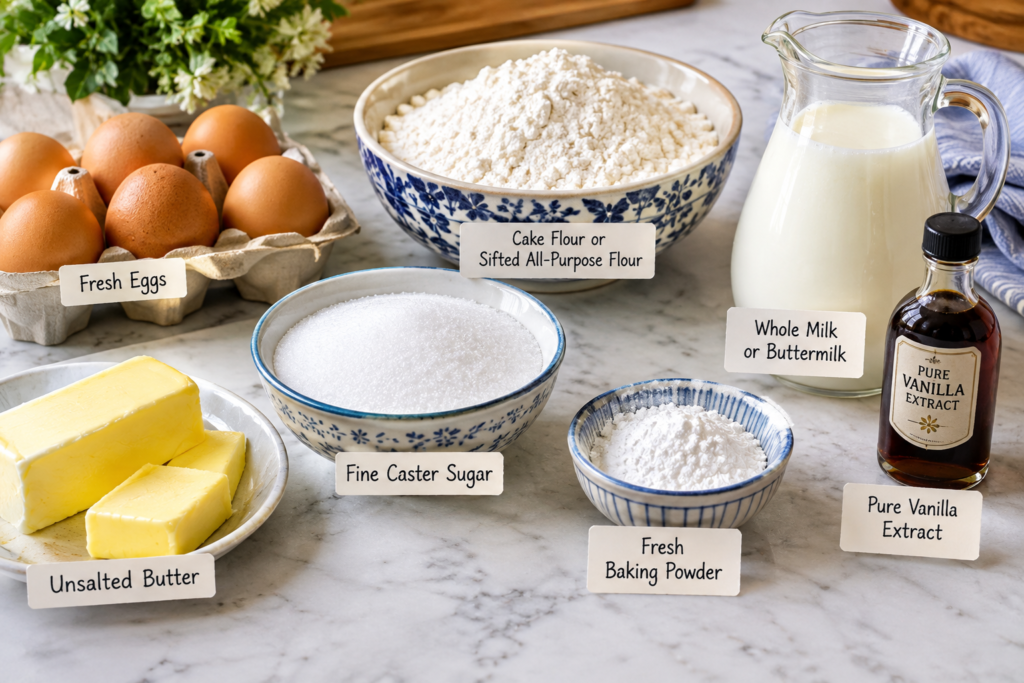
For the best texture, use:
Fresh eggs
Unsalted butter
Fine caster sugar
Cake flour or sifted all-purpose flour
Fresh baking powder
Whole milk or buttermilk
Pure vanilla extract
Using fresh ingredients improves both the flavor and the rise of your cake.
Let Ingredients Reach Room Temperature
One of the easiest ways to improve your cake is to avoid using cold ingredients straight from the refrigerator.
Butter, eggs, and milk should sit at room temperature for about 30 minutes before mixing. This helps them combine smoothly, creating a batter that traps more air and bakes evenly.
Measure Ingredients Carefully
Unlike everyday cooking, baking relies on precise measurements.
Too much flour creates a dry, dense cake, while too much liquid can cause the cake to collapse.
For better accuracy:
Spoon flour into the measuring cup instead of scooping.
Level each cup with a straight edge.
Use measuring spoons for small ingredients.
A digital kitchen scale gives the most consistent results.
Small measurement errors often lead to disappointing cakes.
Sift the Dry Ingredients
Sifting flour, baking powder, and salt may seem unnecessary, but it makes a noticeable difference.
Sifting removes lumps, mixes ingredients evenly, and introduces air into the flour, helping create a lighter sponge.
Cream Butter and Sugar Until Light
One of the biggest secrets behind a fluffy cake is proper creaming.
Beat softened butter and sugar together for several minutes until the mixture becomes pale and noticeably lighter in texture.
During this step, tiny air pockets are created. As the cake bakes, these pockets expand, producing a soft and airy crumb.
Don’t rush this process—it lays the foundation for the entire cake.
Add Eggs Gradually
How to bake a soft and fluffy cake with simple ingredients, easy steps, and helpful baking tips.
Instead of adding all the eggs at once, beat them in one at a time.
This helps the mixture stay smooth and prevents it from separating.
A stable batter produces a more even texture after baking.
Mix the Batter Gently
After adding the flour, mix only until everything is combined.
Overmixing develops gluten, which makes cakes tough instead of tender.
Use a spatula or mixer on low speed and stop as soon as the flour disappears into the batter.
Choose the Right Liquid
Milk gives cakes moisture, but buttermilk is often an even better choice.
Its slight acidity reacts with the baking powder, helping the cake rise while creating a softer texture.
Plain yogurt mixed with a little milk is another excellent alternative.
Preheat Your Oven First
Never place cake batter into a cold oven.
Preheating ensures the cake starts rising immediately, resulting in better volume and an even bake.
For most cakes, a temperature between 170°C and 180°C (340°F–350°F) works perfectly.
Use the Correct Cake Pan
The baking pan can affect the final result more than many people realize.
Light-colored metal pans bake evenly, while very dark pans may brown the edges too quickly.
Before adding batter:
Grease the pan thoroughly.
Line the base with parchment paper.
Fill the pan only about two-thirds full.
This leaves enough space for the cake to rise properly.
Resist the Urge to Open the Oven
Opening the oven door too soon allows heat to escape.
The sudden drop in temperature may cause the cake to sink before it has fully set.
It’s best to wait until the cake is nearly baked before checking its progress.
Know When the Cake Is Done
A perfectly baked cake should spring back when lightly touched.
You can also insert a toothpick into the center. If it comes out clean or with a few dry crumbs, the cake is ready.
Avoid baking longer than necessary, as overbaking removes moisture.
Cool the Cake the Right Way
Once baked, let the cake rest in the pan for around 10 minutes.
Afterward, transfer it to a cooling rack so air can circulate around it.
Allow the cake to cool completely before adding frosting or decorations.
Mistakes That Can Ruin Your Cake
Even experienced bakers occasionally make mistakes.
Common reasons cakes become heavy include:
Expired baking powder
Too much flour
Cold ingredients
Overmixing the batter
Incorrect oven temperature
Overbaking
Removing the cake too early
Avoiding these simple mistakes greatly improves your baking success.
Professional Tips for Extra Soft Cakes
How to bake a soft and fluffy cake with simple ingredients, easy steps, and helpful baking tips.
Want bakery-style results at home? Try these simple techniques:
Sift the flour twice for extra lightness.
Replace part of the milk with buttermilk.
Use fine caster sugar for smoother mixing.
Beat butter and sugar for at least five minutes.
Fold ingredients gently instead of stirring vigorously.
Allow the cake to cool naturally before slicing.
These small adjustments create a noticeable difference in texture.
Keeping Your Cake Fresh
How to bake a soft and fluffy cake should stay moist for several days if stored properly.
After cooling completely:
Wrap it tightly to prevent air exposure.
Store at room temperature in an airtight container.
Refrigerate only when necessary.
Bring chilled cake back to room temperature before serving for the best texture.
Proper storage helps preserve both flavor and softness.
Final Thoughts
Discover the best how to bake a soft and fluffy cake recipe and simple steps to make a delicious homemade cake that stays fresh and tender.
Baking a soft and fluffy cake isn’t about luck—it’s about following the right methods from start to finish. Fresh ingredients, accurate measurements, gentle mixing, and careful baking all work together to create a cake that’s light, moist, and full of flavor.
Whether you’re preparing a simple family dessert or baking for a special celebration, these practical techniques will help you produce consistently delicious cakes.