High-Protein Low-Calorie Foods: The Best Choices for Healthy Eating in the USA
High-Protein Low-Calorie Foods doesn’t mean giving up delicious meals. In fact, choosing high-protein low-calorie foods is one of the easiest ways to stay full, support muscle health, and manage your weight without feeling deprived. Whether you’re trying to lose weight, build lean muscle, or simply improve your daily nutrition, adding more protein-rich, low-calorie foods to your diet can make a big difference.
Across the United States, grocery stores offer plenty of nutritious options that fit into busy lifestyles. From lean meats and seafood to dairy products, beans, and vegetables, there are countless ways to enjoy satisfying meals without consuming excess calories.
In this guide, we’ll explore the best high-protein low-calorie foods, their benefits, and practical ways to include them in your daily meals.
Why Choose High-Protein Low-Calorie Foods?
High-Protein Low-Calorie Foods is an essential nutrient that helps repair muscles, supports the immune system, and keeps you feeling full longer than carbohydrates or fats. When paired with lower-calorie foods, protein can help reduce hunger and make healthy eating easier.
Some key benefits include:
Helps maintain lean muscle mass
Supports healthy weight management
Keeps you feeling full between meals
Helps control cravings
Provides steady energy throughout the day
Easy to include in everyday meals
For many Americans with busy schedules, high-protein meals are also convenient because they can be prepared in advance for lunches and dinners.
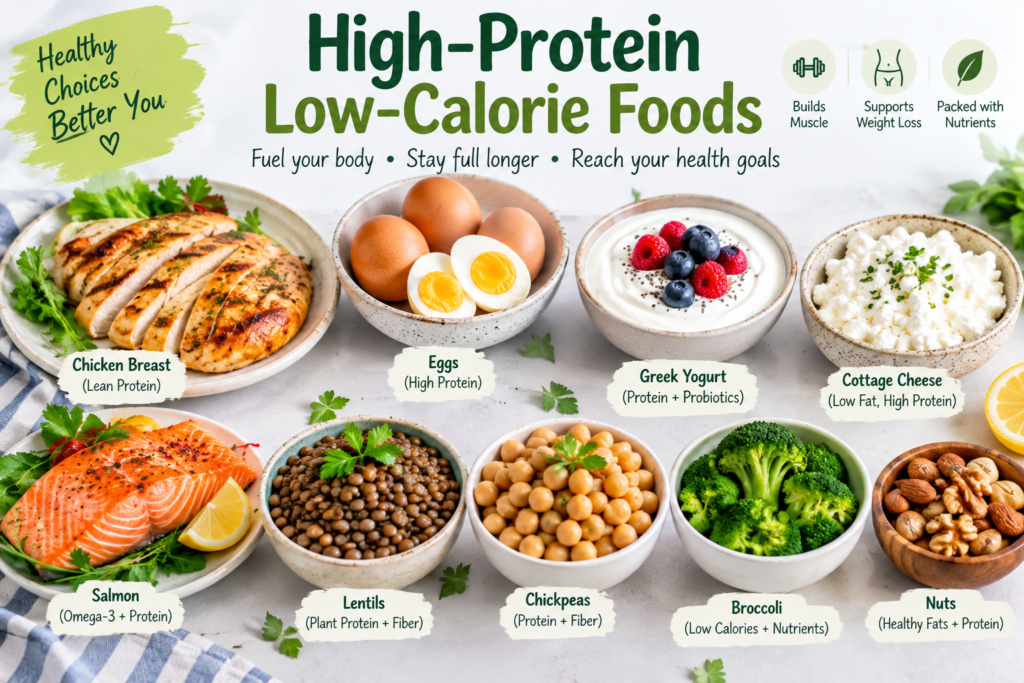
Best High-Protein Low-Calorie Foods
The following foods are widely available in supermarkets across the USA and provide excellent nutrition without excessive calories.
Food Protein (Approx.) Calories (Approx.) Best For
Skinless Chicken Breast (3 oz) 26 g 128 Lunch, dinner, meal prep
Turkey Breast (3 oz) 25 g 125 Sandwiches and salads
Egg Whites (4 large) 14 g 68 Healthy breakfasts
Greek Yogurt, Plain Nonfat (1 cup) 20 g 120 Breakfast and snacks
Cottage Cheese, Low Fat (1 cup) 28 g 180 Snacks or light meals
Tuna in Water (3 oz) 20 g 100 Sandwiches and wraps
Salmon (3 oz) 22 g 175 Healthy dinners
Shrimp (3 oz) 20 g 99 Pasta and stir-fries
Lentils (1 cup cooked) 18 g 230 Vegetarian meals
Black Beans (1 cup cooked) 15 g 227 Burritos and bowls
Tofu (3 oz) 9 g 80 Plant-based meals
Edamame (1 cup) 18 g 188 Snacks and salads
Values are approximate and may vary by brand and preparation method.
Lean Chicken Breast: A Meal Prep Favorite
Chicken breast remains one of the most popular protein choices in the United States. It’s affordable, versatile, and easy to cook in large batches.
Healthy serving ideas include:
Grilled chicken with roasted vegetables
Chicken salad with mixed greens
Whole-grain wraps
Brown rice and chicken bowls
Using herbs, garlic, lemon juice, and spices instead of heavy sauces keeps calories low while adding plenty of flavor.
Greek Yogurt: A Protein-Packed Snack
Plain nonfat Greek yogurt is one of the easiest ways to increase your daily protein intake.
Try topping it with:
Fresh blueberries
Strawberries
Chia seeds
Sliced almonds
Cinnamon
Avoid flavored varieties with added sugar if you’re aiming for a healthier option.
Seafood That Supports Healthy Eating
Fish and seafood provide high-quality protein along with important nutrients.
Excellent choices include:
Salmon
Tuna
Shrimp
Cod
Tilapia
Grilling, baking, or air frying these options helps keep calories under control while preserving their natural flavor.
Plant-Based Protein Options
You don’t have to eat meat to enjoy a protein-rich diet.
Plant-based foods such as lentils, black beans, chickpeas, tofu, and edamame are packed with protein, fiber, vitamins, and minerals.
These foods work well in:
Grain bowls
Soups
Salads
Tacos
Pasta dishes
They are also budget-friendly and widely available throughout the USA.
High-Protein Breakfast Ideas
Starting your morning with protein helps you stay satisfied and energized.
Popular breakfast ideas include:
Egg white omelet with spinach and mushrooms
Greek yogurt topped with berries
Cottage cheese with fresh fruit
Protein smoothie made with milk, spinach, and banana
Whole-grain toast with scrambled eggs
A balanced breakfast can help reduce unhealthy snacking later in the day.
Healthy Lunch and Dinner Ideas
Simple meals can be both nutritious and filling.
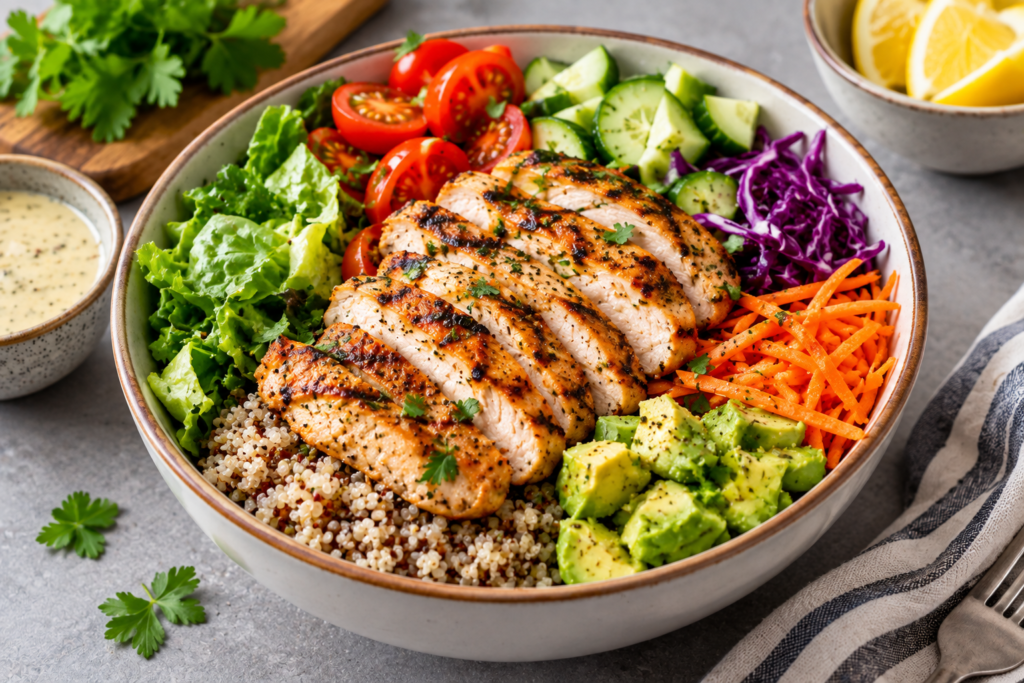
Grilled Chicken Bowl
Combine grilled chicken, quinoa, broccoli, and roasted peppers for a balanced lunch
.
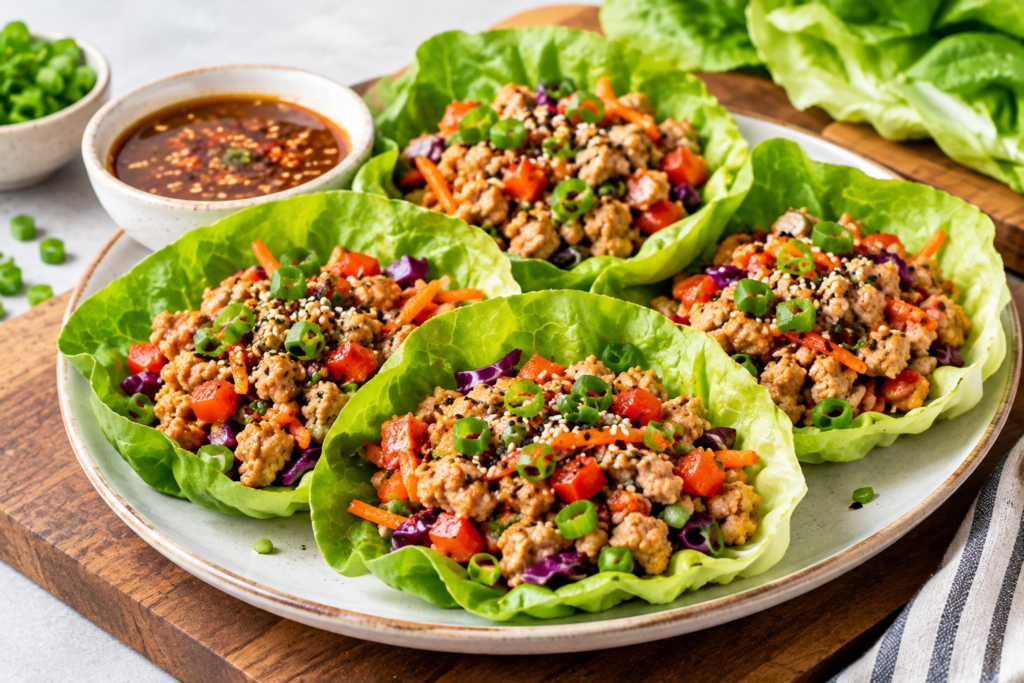
Turkey Lettuce Wraps
Use crisp lettuce instead of tortillas and fill them with lean turkey, tomatoes, avocado, and cucumbers.
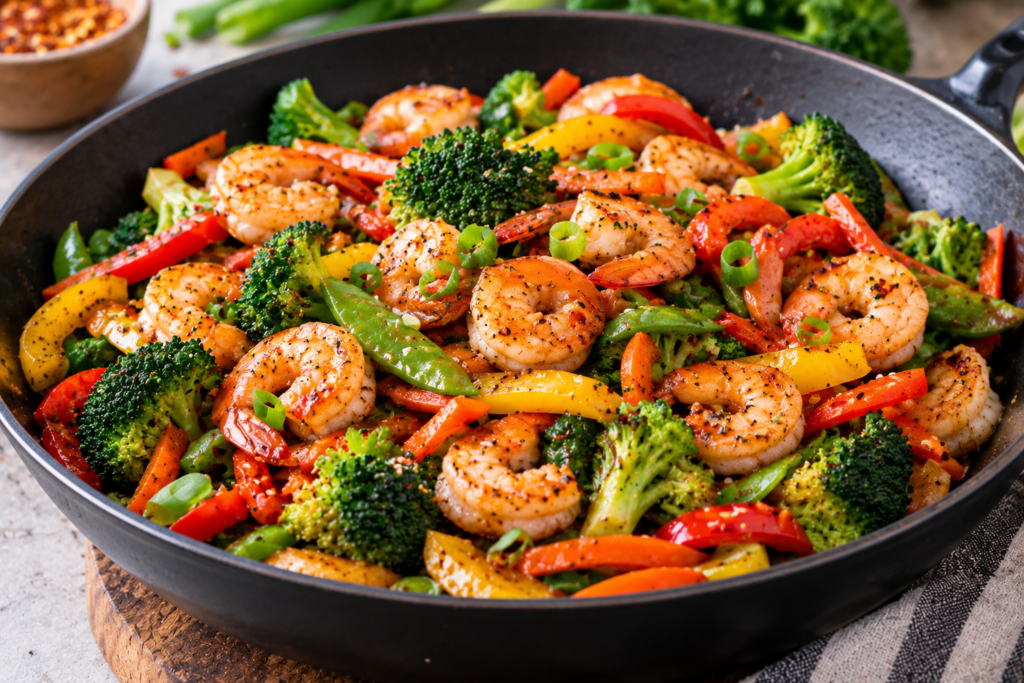
Shrimp Stir-Fry
Cook shrimp with broccoli, carrots, snap peas, and garlic in a small amount of olive oil.
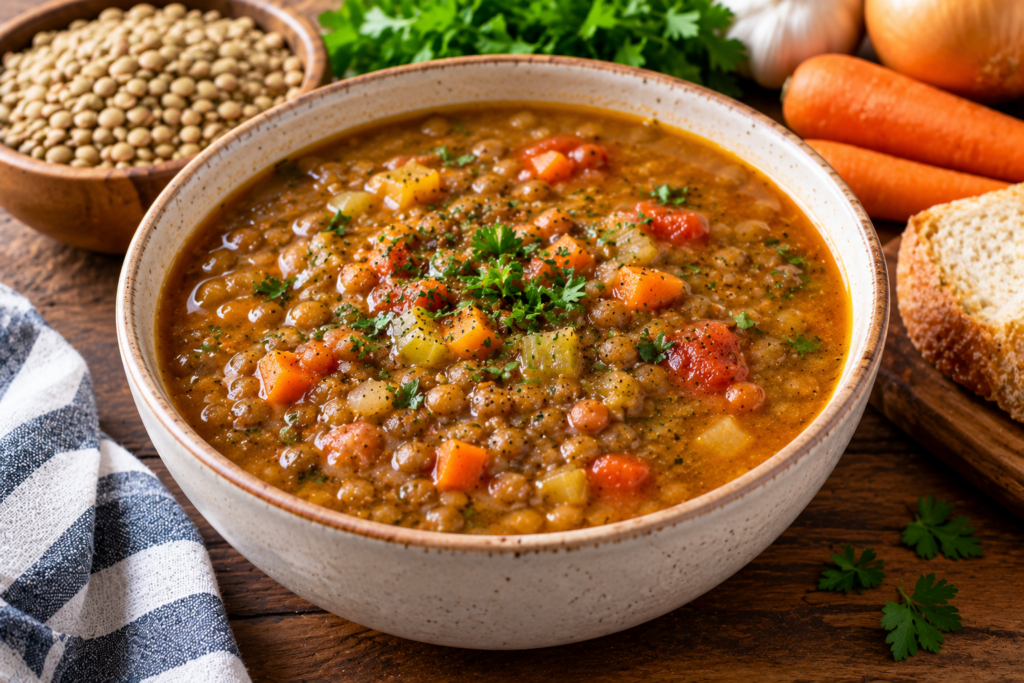
Lentil Soup
Lentils provide protein and fiber while creating a hearty meal that’s perfect for colder months.
Tips for Building High-Protein Low-Calorie Meals
High-Protein Low-Calorie Foods is easier when meals are balanced.
Follow these simple guidelines:
Fill half your plate with vegetables.
Choose lean protein at every meal.
Replace sugary drinks with water.
Cook by grilling, baking, steaming, or air frying.
Limit fried foods and creamy sauces.
Include whole grains in moderate portions.
Read nutrition labels when shopping.
Small, consistent changes often produce better long-term results than restrictive diets.
Common Mistakes to Avoid
Even High-Protein Low-Calorie Foods can become high in calories if you’re not careful.
Watch out for these habits:
Using too much salad dressing
Adding large amounts of cheese
Drinking sugary beverages
Choosing processed meats frequently
Eating oversized portions
Depending heavily on protein bars with added sugar
Preparing meals at home gives you greater control over ingredients and portion sizes.
Who Can Benefit from High-Protein Low-Calorie Foods?
These foods are suitable for many lifestyles, including:
Adults trying to lose weight
Fitness enthusiasts building lean muscle
Busy professionals who meal prep
College students seeking affordable meals
Families looking for healthier dinners
Older adults aiming to maintain muscle strength
Always choose a balanced eating pattern that meets your individual nutritional needs.
Final Thoughts
Adding high-protein low-calorie foods to your diet is a practical way to enjoy satisfying meals while supporting your health goals. From lean chicken and seafood to Greek yogurt, beans, tofu, and fresh vegetables,there are plenty of nutritious choices available in grocery stores across the United States.